
Trusted by 130+ Homeowners
What Pathogens Are Common In Biohazard Cleanup Scenarios?
- Over 132 5-Star Reviews
- Free Estimates and Quotes
- 100% Satisfaction Guaranteed
- Child, Family & Pet Safe Steps
- 24-Hour Emergency Service
- Fully Licensed & Insured

Biohazard cleanup scenarios involve a range of dangerous pathogens, primarily bacteria and viruses.
Common pathogens found include E. coli, Salmonella, Hepatitis B and C, HIV, and MRSA, posing serious health risks if not handled properly.
TL;DR:
- Biohazard cleanup deals with dangerous pathogens like bacteria and viruses.
- Common threats include E. coli, Salmonella, Hepatitis, HIV, and MRSA.
- Proper containment and disinfection are essential for safety.
- Untrained individuals face severe health risks.
- Professional help is critical for safe and effective biohazard remediation.
What Pathogens Are Common in Biohazard Cleanup Scenarios?
When dealing with biohazard cleanup, understanding the potential pathogens is key to safety. These situations often involve bodily fluids, decomposition, or contaminated materials. Many unseen dangers lurk, making professional intervention a necessity.
Understanding the Invisible Threats
You might be wondering what exactly makes biohazard cleanup so risky. It’s the presence of microscopic organisms that can cause illness or disease. These pathogens can survive for varying amounts of time on surfaces. Their spread is a primary concern during any cleanup operation.
Bacterial Contaminants
Bacteria are single-celled organisms, and some are definitely not your friends. In biohazard scenarios, common culprits include:
- E. coli: Often found in fecal matter, it can cause severe stomach cramps and diarrhea.
- Salmonella: Another bacterium linked to food poisoning, it’s also found in fecal matter.
- MRSA (Methicillin-resistant Staphylococcus aureus): This is a type of staph infection resistant to antibiotics. It can lead to serious skin infections and other complications.
These bacteria can contaminate surfaces, water, and even the air. Proper disinfection is vital to prevent their spread and protect health.
Viral Hazards
Viruses are even smaller than bacteria and require a host cell to reproduce. They are a significant concern in biohazard cleanup:
- Hepatitis B and C: These viruses affect the liver and can be transmitted through blood and other bodily fluids.
- HIV (Human Immunodeficiency Virus): This virus attacks the immune system and is transmitted through specific bodily fluids.
- Influenza and Norovirus: While often associated with common illnesses, these can also be present in biohazard situations and spread rapidly.
Exposure to these viruses can have long-lasting and devastating health consequences. This is why professional cleanup decisions after property damage are so important.
Fungal and Parasitic Concerns
While bacteria and viruses get most of the attention, fungi and parasites can also be present. Mold, a type of fungus, can thrive in damp conditions. Some molds produce toxins that can cause respiratory issues and other health problems. Parasites, though less common in typical biohazard scenarios, can sometimes be a factor.
The Importance of Professional Biohazard Remediation
Why is professional help so critical? Because these pathogens are invisible and dangerous. Trying to clean up a biohazard scene yourself without proper training and equipment is incredibly risky. You could expose yourself and others to serious health risks.
The Risks of DIY Cleanup
When you attempt to clean up biohazards without the right knowledge, you might miss hidden contamination. This can lead to lingering health problems. You might also not use the correct cleaning agents or personal protective equipment (PPE). This puts you in direct danger of infection.
Research shows that improper cleanup can allow pathogens to survive and spread. This makes the situation worse over time. It’s never worth the gamble when your health is on the line. Always call a professional right away when dealing with biohazards.
What Professionals Bring to the Table
Certified biohazard remediation technicians have specialized training. They understand how to safely identify, contain, and eliminate pathogens. They use hospital-grade disinfectants and equipment designed for these specific tasks. This ensures thorough cleaning and decontamination.
They also follow strict protocols to protect themselves and prevent cross-contamination. This includes proper disposal of contaminated materials. Understanding the professional restoration steps after damage is their expertise.
Containment and Disinfection Strategies
A key part of professional cleanup is containment. Technicians create barriers to prevent the spread of contaminants to other areas of the property. They then use EPA-approved disinfectants that are effective against a wide range of pathogens. This multi-step process is essential for true remediation.
When Biohazards Might Occur
Biohazard situations can arise from various events. These include unattended deaths, crime scenes, sewage backups, and hoarding situations. Even seemingly minor incidents like a severe accident can create biohazard conditions. Recognizing the signs is the first step.
Sometimes, the initial inspection findings during restoration work reveal unseen biohazard issues. This is especially true after events like flooding. Addressing these findings promptly is crucial.
Odor Removal: More Than Just a Smell
A significant part of biohazard cleanup is odor removal. These odors are often caused by the breakdown of organic matter and the presence of bacteria. They can be incredibly persistent and pervasive.
Simply masking these smells isn’t enough. Professionals use specialized techniques and equipment to neutralize odor at its source. This often involves dealing with odors caused by hidden moisture. Effective odor removal is a sign of a complete and successful cleanup.
The Role of Ventilation and Air Filtration
Proper ventilation and air filtration are critical during and after cleanup. These processes help remove airborne contaminants and lingering odors. They ensure the air quality in your property is safe to breathe again.
Navigating Insurance and Costs
One common question is about the financial aspect of biohazard cleanup. Many people wonder about policy limits for cleanup costs. While coverage can vary, some insurance policies do offer protection for biohazard remediation services.
It’s always a good idea to review your policy or speak with your insurance provider. Understanding your options can help ease the burden during a stressful time. This is part of the insurance coverage for cleanup costs discussion.
When Is Professional Cleanup Necessary?
You need professional biohazard cleanup when there’s a risk of exposure to infectious agents. This includes situations involving blood, bodily fluids, sewage, or decomposition. If you’re unsure, it’s always safer to err on the side of caution. Do not wait to get help if you suspect a biohazard situation.
Basement Moisture and Flooding Concerns
Basement flooding, often more common after heavy rain, can sometimes lead to biohazard situations. Water damage can introduce bacteria, mold, and other contaminants. Addressing basement flooding after heavy rain quickly is important.
If your basement has experienced flooding or has persistent dampness, it’s essential to check for potential biohazards. Dealing with basement moisture after heavy rain promptly can prevent more serious issues down the line.
The Science Behind Effective Cleanup
Effective biohazard cleanup relies on scientific principles. This includes understanding how pathogens spread, how they are neutralized, and how to safely remove contaminated materials. Professionals use a combination of cleaning agents, disinfectants, and physical removal methods.
They also consider the materials involved. Some surfaces are easier to decontaminate than others. Porous materials like carpet or drywall may need to be removed entirely. This careful consideration is part of the repair planning after mitigation ends.
Conclusion
Biohazard cleanup scenarios present a complex array of pathogens, from common bacteria like E. coli to viruses like Hepatitis. Recognizing the serious health risks associated with these contaminants is paramount. Attempting to handle such situations without proper training and equipment is dangerous. It can lead to further contamination and health issues. For your safety and the safety of others, always rely on trained professionals. Fresco Damage Pros understands the science and safety protocols needed for thorough biohazard remediation. We are here to help you navigate these challenging situations with expertise and care.
What are the most common bacteria in biohazard cleanup?
The most common bacteria found in biohazard cleanup scenarios include E. coli, Salmonella, and MRSA. These are often present in fecal matter, blood, and other bodily fluids, posing significant infection risks.
Are viruses a major concern in biohazard situations?
Yes, viruses are a major concern. Pathogens like Hepatitis B and C, HIV, Influenza, and Norovirus can be present in bodily fluids and contaminated materials, requiring specialized handling to prevent transmission.
Why is professional training essential for biohazard cleanup?
Professional training is essential because it equips individuals with the knowledge of pathogen identification, containment strategies, proper use of personal protective equipment (PPE), and effective disinfection techniques. This minimizes exposure risks and ensures thorough remediation.
Can I clean up a biohazard scene myself?
It is strongly advised against cleaning up a biohazard scene yourself. The risks of exposure to dangerous pathogens are extremely high, and without proper training and equipment, you could inadvertently spread contamination or suffer serious health consequences.
What happens if biohazards are not properly cleaned?
If biohazards are not properly cleaned, they can remain a source of contamination. This can lead to ongoing health issues for occupants, persistent odors, and the potential spread of infectious diseases within the property. It can also make future restoration efforts more challenging.
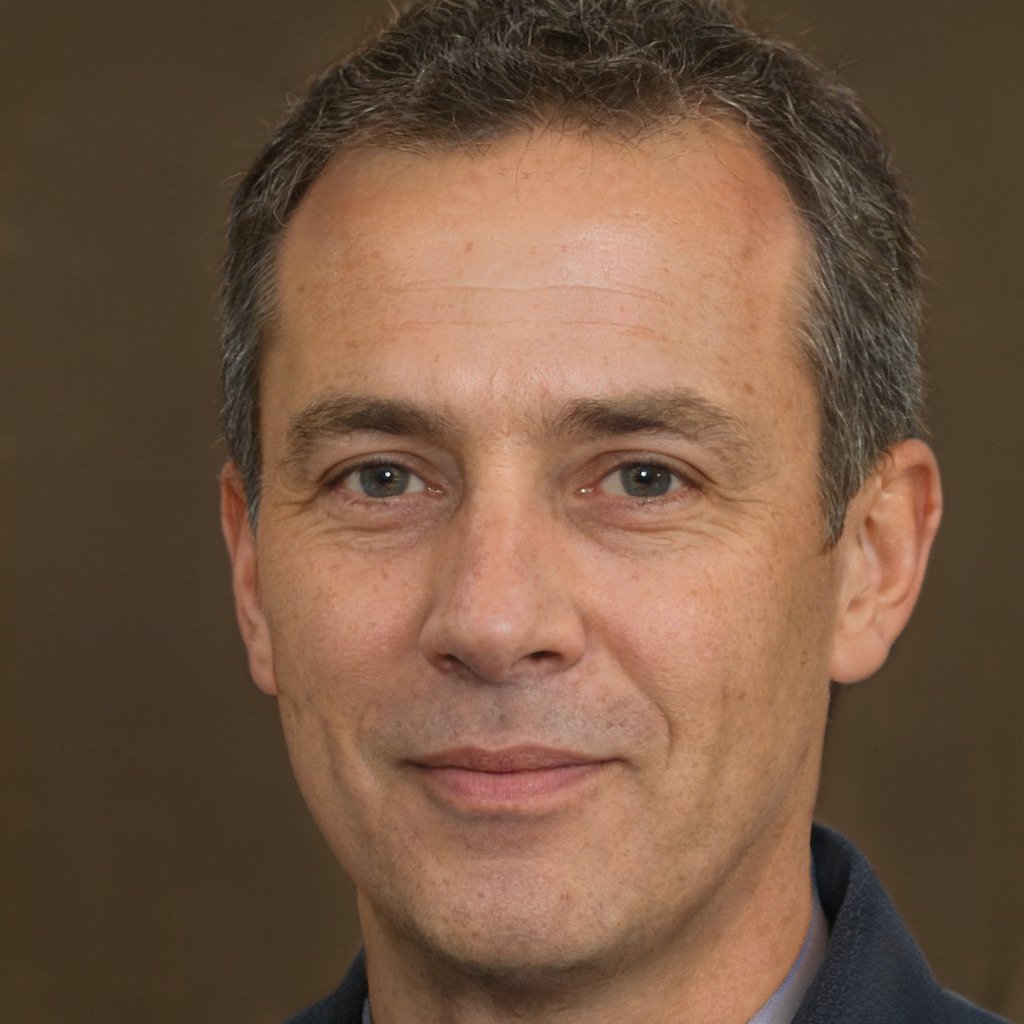
Gregory Smith: Damage Restoration Expert
With over 20 years of hands-on experience, Gregory Smith is a leading authority in property recovery and disaster mitigation. A fully licensed specialist, Gregory has dedicated his career to restoring safety and peace of mind to homeowners during their most challenging moments.
𝗖𝗲𝗿𝘁𝗶𝗳𝗶𝗰𝗮𝘁𝗶𝗼𝗻𝘀: Gregory holds multiple elite IICRC certifications, including Water Damage Restoration (WRT), Applied Microbial Remediation (AMR), Applied Structural Drying (ASD), Odor Control (OCT), and Fire and Smoke Restoration (FSRT).
𝗙𝗮𝘃𝗼𝗿𝗶𝘁𝗲 𝗣𝗮𝘀𝘁𝗶𝗺𝗲: When he isn’t on-site, Gregory is an avid woodworker and hiker, finding balance in the precision of craftsmanship and the tranquility of the outdoors.
𝗕𝗲𝘀𝘁 𝗣𝗮𝗿𝘁 𝗼𝗳 𝘁𝗵𝗲 𝗝𝗼𝗯: For Gregory, the ultimate reward is seeing a family’s relief when their home is finally restored to its pre-loss condition, proving that recovery is always possible.