
Trusted by 130+ Homeowners
How Do Professionals Safely Clean A Biohazard Scene?
- Over 132 5-Star Reviews
- Free Estimates and Quotes
- 100% Satisfaction Guaranteed
- Child, Family & Pet Safe Steps
- 24-Hour Emergency Service
- Fully Licensed & Insured

Professionals safely clean biohazard scenes using specialized equipment, personal protective gear, and strict protocols. They follow EPA-approved disinfectants and disposal methods to prevent the spread of disease.
Understanding how professionals handle biohazard cleanup is key to ensuring your property is restored safely and effectively. They are trained to manage dangerous situations.
TL;DR:
- Professionals use proper safety gear and training for biohazard cleanup.
- They employ EPA-approved disinfectants and cleaning agents.
- Containment and controlled removal of contaminated materials are vital.
- Proper disposal of hazardous waste is a critical step.
- Following strict protocols minimizes risk and ensures a safe environment.
How Do Professionals Safely Clean a Biohazard Scene?
When a biohazard event occurs, the situation can be overwhelming and dangerous. You might wonder, “How do professionals safely clean a biohazard scene?” It’s a question that comes with significant worry. The answer involves a combination of advanced training, specialized equipment, and a deep understanding of infectious materials. Professionals are equipped to handle everything from blood spills to decomposition odors. They work to restore safety and normalcy to your property.
Understanding the Scope of Biohazards
Biohazards are biological substances that pose a threat to human health. This can include blood, bodily fluids, and other potentially infectious materials. Trauma scenes, unattended deaths, and even severe sewage backups fall into this category. These situations often involve serious health risks that untrained individuals cannot safely manage. Professionals are trained to identify and mitigate these dangers.
The Importance of Professional Training
Biohazard remediation specialists undergo rigorous training. They learn about infectious diseases, cross-contamination prevention, and safe handling techniques. This training ensures they understand the potential dangers involved. They are also certified in handling hazardous waste. This expertise is not something you can pick up from a DIY guide. It’s a specialized skill set focused on public health and safety.
Essential Safety Gear and Protocols
Personal Protective Equipment, or PPE, is non-negotiable for biohazard cleanup. Professionals wear full-body suits, respirators, gloves, and eye protection. This gear creates a barrier against contaminants. They also follow strict protocols for entry and exit from the affected area. These steps are designed to prevent cross-contamination. It ensures that the hazard stays contained.
Containment and Isolation Strategies
Before any cleaning begins, professionals establish containment. They use plastic sheeting and specialized barriers to isolate the affected area. This prevents airborne pathogens or contaminants from spreading. It’s a critical step in the restoration process. This containment is essential for both the cleanup crew and the occupants of the building.
The Cleaning and Disinfection Process
Once the area is contained, the actual cleaning and disinfection begin. Professionals use a multi-step approach. This includes removing all contaminated materials. They then use EPA-approved disinfectants. These are specifically chosen for their effectiveness against a wide range of pathogens. The goal is not just to clean but to thoroughly sanitize the entire space.
Advanced Cleaning Technologies
Beyond standard cleaning, professionals may use advanced technologies. This can include electrostatic sprayers for even disinfectant coverage. They might also use ozone generators or thermal fogging to eliminate stubborn odors. These methods are particularly useful for issues like lingering odors after smoke exposure. They ensure a truly clean and odor-free environment.
Waste Disposal: A Critical Step
Proper disposal of biohazardous waste is a major concern. All contaminated materials, from cleaning rags to personal protective gear, must be handled as medical waste. Professionals follow strict regulations for bagging, labeling, and transporting this waste. They ensure it is taken to an approved facility. This prevents the spread of disease into the community. It’s a vital part of the cleanup decisions after property damage.
Air Quality and Deodorization
After visible contamination is removed and surfaces are disinfected, air quality is addressed. Professionals use air scrubbers and filtration systems. These remove airborne particles and pathogens. They also employ specialized deodorizing techniques. This ensures that no unpleasant or potentially harmful odors remain. It’s about restoring a healthy living environment.
When Do You Need Professional Biohazard Cleanup?
You should always call a professional when dealing with biohazards. This includes situations like:
- Blood or bodily fluid spills
- Unattended death scenes
- Sewage backups
- Crime scenes
- Hoarding situations with biological contamination
Attempting to clean these yourself can expose you and your family to significant health hazards. For instance, dealing with sewage can introduce dangerous bacteria and viruses. It’s often better to understand how do professionals safely clean a biohazard scene rather than risk your health.
Navigating Insurance and Claims
Biohazard cleanup can be expensive. Many homeowners and businesses wonder if insurance covers it. In many cases, insurance policies do cover biohazard remediation, especially if the event is sudden and accidental. However, it’s important to understand your policy. Working with professionals can help in documenting damage for insurance claims. They can provide detailed reports for your insurer.
The Biohazard Remediation Checklist
Here’s a quick look at what professionals do:
- Assess the scene and identify all hazards.
- Develop a detailed remediation plan.
- Don appropriate personal protective equipment (PPE).
- Contain the affected area to prevent spreading.
- Remove and dispose of contaminated materials safely.
- Clean and disinfect all affected surfaces thoroughly.
- Deodorize and restore air quality.
- Conduct a final inspection and verification.
This structured approach ensures that no step is missed. It’s about thoroughness and achieving complete safety.
Preventing Further Contamination
A key aspect of professional biohazard cleanup is preventing recurrence. This might involve advice on preventing future water intrusion or addressing issues like groundwater problems around the foundation. Sometimes, the biohazard is a symptom of a larger problem. Professionals help identify and mitigate these underlying causes.
What About Other Property Damage?
Biohazard events can often occur alongside other types of damage. For example, a flood can lead to water damage and, if left untreated, mold or sewage contamination. Understanding the first steps after water intrusion is crucial. Professionals are trained to handle multiple types of damage simultaneously, ensuring a complete restoration.
Conclusion
Safely cleaning a biohazard scene requires specialized knowledge, equipment, and strict adherence to protocols. Professionals are trained to handle these dangerous situations, protecting both themselves and the occupants. They ensure that the area is not only cleaned but thoroughly disinfected and restored to a safe condition. If you are facing a biohazard situation, remember that calling a professional right away is the safest course of action. Fresco Damage Pros is a trusted resource for biohazard cleanup and many other restoration needs, committed to restoring your property and peace of mind.
What is the most critical piece of equipment used in biohazard cleanup?
The most critical piece of equipment is personal protective equipment (PPE). This includes full-body suits, respirators, gloves, and eye protection. It forms the first line of defense for the cleanup crew against hazardous materials. Protecting the team is paramount.
How long does biohazard cleanup typically take?
The duration varies greatly depending on the scope of the contamination. Minor incidents might be resolved in a day. Larger, more complex scenes can take several days or even weeks. Factors like the type of biohazard and the size of the affected area play a big role. Swift action is often needed.
Can I clean a small blood spill myself?
For very small, fresh blood spills on a non-porous surface, you might be able to clean it with household disinfectants. However, it’s always recommended to err on the side of caution. Bodily fluids can carry pathogens, and there’s a risk of improper disinfection. It is often best to get expert advice today.
What happens to the waste removed from a biohazard scene?
All contaminated materials are treated as regulated medical waste. They are carefully bagged, sealed, and labeled according to strict guidelines. This waste is then transported by licensed haulers to an approved hazardous waste disposal facility. This ensures safe and compliant disposal.
Are there any specific disinfectants professionals use?
Yes, professionals use a variety of EPA-registered disinfectants. These are chosen based on the type of biohazard and the surfaces being treated. Common options include hospital-grade disinfectants, quaternary ammonium compounds, and hydrogen peroxide-based cleaners. They ensure effective pathogen elimination.
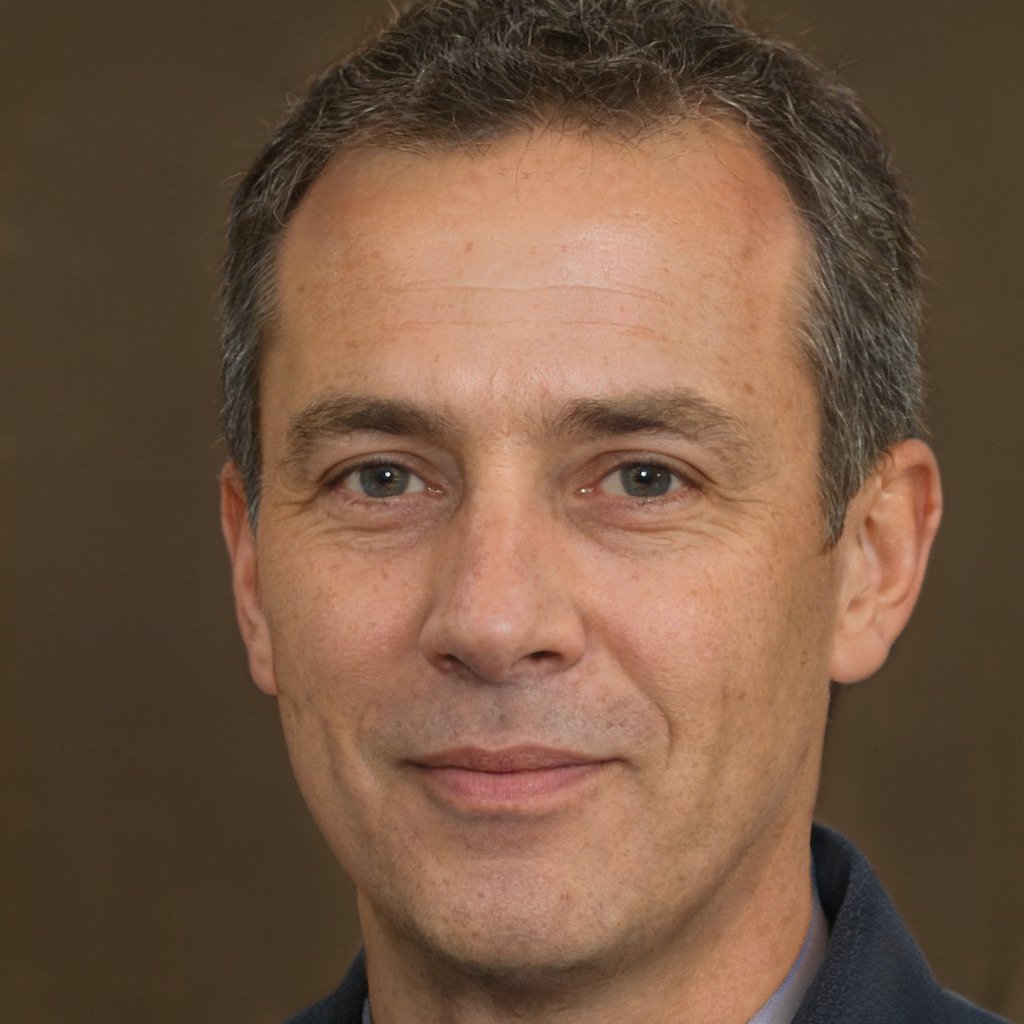
Gregory Smith: Damage Restoration Expert
With over 20 years of hands-on experience, Gregory Smith is a leading authority in property recovery and disaster mitigation. A fully licensed specialist, Gregory has dedicated his career to restoring safety and peace of mind to homeowners during their most challenging moments.
𝗖𝗲𝗿𝘁𝗶𝗳𝗶𝗰𝗮𝘁𝗶𝗼𝗻𝘀: Gregory holds multiple elite IICRC certifications, including Water Damage Restoration (WRT), Applied Microbial Remediation (AMR), Applied Structural Drying (ASD), Odor Control (OCT), and Fire and Smoke Restoration (FSRT).
𝗙𝗮𝘃𝗼𝗿𝗶𝘁𝗲 𝗣𝗮𝘀𝘁𝗶𝗺𝗲: When he isn’t on-site, Gregory is an avid woodworker and hiker, finding balance in the precision of craftsmanship and the tranquility of the outdoors.
𝗕𝗲𝘀𝘁 𝗣𝗮𝗿𝘁 𝗼𝗳 𝘁𝗵𝗲 𝗝𝗼𝗯: For Gregory, the ultimate reward is seeing a family’s relief when their home is finally restored to its pre-loss condition, proving that recovery is always possible.