Home Garden, CA · Kings County
Damage Restoration Services in Home Garden, CAFire Sprinkler Water Cleanup & Sewage Backup Cleanup
Damage Restoration Services in Home Garden run from emergency water extraction and storm damage repair to structural drying services.
Answered 24/7
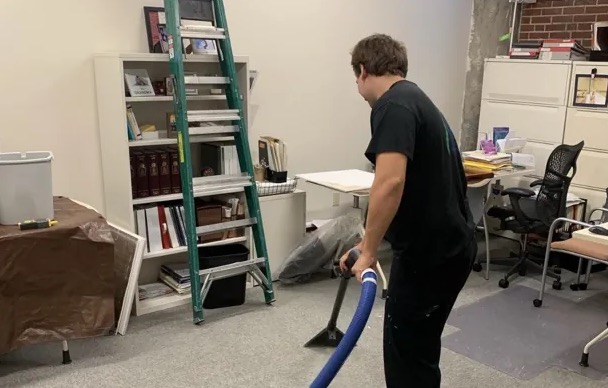
Professional Damage Restoration Services in Home Garden, CA
Hidden water is the most common thing people miss after damage in Home Garden. Water runs under flooring, inside walls and into the ceiling below, and the surface can look dry within hours.
In Home Garden, many water damage calls follow burst pipes and appliance leaks. Local water damage pros serve Home Garden, Hanford, Armona and Lemoore, extracting water and drying the structure.
Full-Scope Damage Restoration Services in Home Garden, CA
Fire Sprinkler Water Cleanup
Rooms that got wet but not burned are dried quickly so they do not develop odors or water stains.
Sewage Backup Cleanup
Carpet, pad and lower drywall soaked by sewage are bagged and removed before the area is disinfected and dried.
Smoke Damage Cleanup
After a kitchen or house fire, soot is cleaned from hard surfaces and fabrics, and lingering smoke odor is treated before repairs begin.
Storm Damage Repair
Storm water from outside is treated as contaminated, so soaked porous materials are removed before drying.
Emergency Water Extraction
Extraction removes the bulk of the water quickly, which shortens drying time and limits how much flooring and drywall must be replaced.
When to Call for Damage Restoration Services in Home Garden
Sewage Odors in the Home
A sewage smell in the house can mean a drain backup or leaking drain line.
High Indoor Humidity Levels
A home that feels humid and clammy may have wet materials releasing moisture.
Visible Mold Colonies
Dark spots on walls, ceilings or carpet backing mean an area has stayed wet for days.
Persistent Dampness in Carpets
Carpet that stays damp days after a spill or leak is holding water in the pad.
How Damage Restoration Services Work in Home Garden
Step 1: Damage Assessment and Documentation
The source is stopped, the wet area is mapped and photos record the damage before work starts.
Step 2: Water Removal
Standing water is pumped and extracted from floors, carpet and low spots to help limit further soaking.
Step 3: Structural Drying
Air movers and dehumidifiers dry walls, floors and framing, with readings taken every day.
Step 4: Contents and Property Care
Belongings are cleaned or set aside, and the structure is readied for repairs once dry.
Common Causes of Water Damage in Home Garden
Accidental Overflow Incidents
Tubs, sinks and toilets left running overflow into the room and the floor below.
Plumbing System Failures
Burst pipes, failed fittings and leaking supply lines release water inside walls and floors.
HVAC Condensation Issues
Clogged AC condensate lines overflow into closets, attics and the ceilings below them.
Firefighting Water
Water from hoses and sprinklers used to put out a fire soaks rooms throughout the building.
Damage Restoration Services for Homes and Businesses in Home Garden
Residential Damage Restoration Services
After a fire, homeowners face water damage in rooms the fire never reached. Those rooms are extracted and dried so they can be repaired.
Commercial Damage Restoration Services
Commercial buildings after a sprinkler discharge may have water across several floors. Each floor is extracted and dried in order.
Professional Damage Restoration Services or DIY Repair in Home Garden
A small spill on a hard floor can be mopped up and dried with a fan. Water in carpet pad, wall cavities or subfloors needs extraction and drying equipment.
Factors Influencing Damage Restoration Services Cost in Home Garden, CA
The cost of damage restoration services in Home Garden depends on how much water there is, what type of water it is and how many rooms and materials it reached.
Required Equipment
The number of pumps, extractors, air movers and dehumidifiers needed affects the total.
Material Disposal Needs
Contaminated or ruined materials must be bagged and disposed of, which adds handling fees.
Type of Contaminant
Clean water costs less to handle than sewage or floodwater, which needs disinfection and more removal.
Does Insurance Cover Damage Restoration Services?
After a fire, water damage from firefighting is usually part of the same claim. Make sure the adjuster sees the wet rooms as well as the burned ones.
Advantages of Hiring Local Pros for Damage Restoration Services in Home Garden
Careful Material Removal
Only materials that cannot be dried are removed, which keeps repairs smaller.
Containment
Plastic sheeting keeps contaminated or dusty work areas separate from clean rooms.
Odor Control
Odors are handled by drying and removing wet materials, with deodorizing where needed.
24/7 Emergency Damage Restoration Services in Home Garden
Night, weekend or holiday, local water damage pros handle water damage in Home Garden. Call (559) 272-9793 to get the water out and drying started.
Call Now (559) 272-9793Damage Restoration Services Near Home Garden
Nearby areas served for damage restoration services include Hanford, Armona and Lemoore, with the same extraction and drying steps used in Home Garden.
- Damage Restoration Services in Hanford
- Damage Restoration Services in Armona
- Damage Restoration Services in Lemoore
- Damage Restoration Services in Goshen
- Damage Restoration Services in Stratford
- Damage Restoration Services in Traver
- Damage Restoration Services in Kingsburg
- Damage Restoration Services in Waukena
Common Damage Restoration Services Queries Answered
What are signs I need help with water damage and mold?
Musty smells, dark spots on walls or ceilings, damp carpet and stains that keep spreading after a leak.
How long does the structural drying process usually take?
Often several days, depending on the materials, how long they were wet and how much water there was.
Is sewage backup cleanup dangerous to attempt myself?
It can be. Sewage carries bacteria, so cleanup needs protective gear, containment and disinfection.
How are odors handled after water damage?
By removing wet materials and drying the structure fully. Deodorizing is used if a smell remains.
How do restoration pros find hidden moisture?
With moisture meters and thermal cameras that show water inside walls, under floors and above ceilings.