Home Garden, CA · Kings County
Basement Water Removal in Home Garden, CABasement Dehumidification & Basement Wall Drying
Homeowners in Home Garden get Basement Water Removal for basement floor water damage, basement water pump out and basement moisture inspection.
Answered 24/7
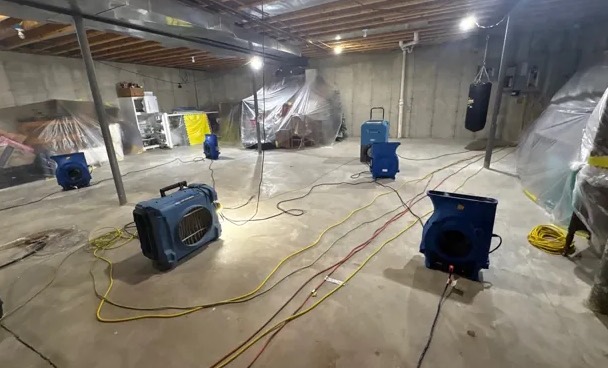
Professional Basement Water Removal in Home Garden, CA
Basement Water Removal in Home Garden starts with safety. Water near the furnace, water heater or electrical panel can be dangerous, so power is made safe before anyone steps into it.
Few homes in Home Garden have basements, so this work usually covers the lowest part of a home: a sunken room, a below-grade garage, a utility room or a crawl space.
A finished basement or lower level in Home Garden or Hanford, Armona and Lemoore can hide water under flooring and behind drywall. The pros find and remove it before it causes lasting damage.
Basement Water Removal Services in Home Garden
Basement Dehumidification
Large dehumidifiers pull moisture from basement air, which lets walls, framing and the slab release the water they absorbed.
Basement Wall Drying
Basement walls are checked with moisture meters. Wet drywall is cut back above the water line, and insulation behind it is removed.
Basement Floor Water Damage
Flooring that buckled or swelled is removed. Tile and sealed concrete can often be cleaned and dried in place.
Emergency Basement Flooding
A flooded basement threatens the furnace, water heater and anything stored on the floor. Fast pumping protects what can still be saved.
Basement Moisture Inspection
An inspection shows how high water wicked up the walls and how far it spread under flooring, which sets the drying plan.
Indicators You Need Professional Water Removal
Water Stains on Walls or Ceiling
Stains on lower walls or the ceiling below a bathroom or kitchen point to a leak.
Wet or Damp Basement Walls
Basement walls that look dark, feel damp or show tide lines are taking on or holding water.
Warped or Buckling Flooring
Flooring that buckles, lifts or feels spongy has water trapped between it and the slab.
High Humidity and Condensation
Water on pipes and windows, or a constantly clammy feel, means basement humidity is too high.
How Basement Water Removal Works in Home Garden
Step 1: Source Control and Water Pump Out
The leak is shut off and standing water is pumped out, starting at the lowest point.
Step 2: Water Extraction
Extractors pull water from carpet, pad and concrete, and wet vacs clear corners and stairs.
Step 3: Dehumidification and Drying
Large dehumidifiers and air movers dry walls, framing and slab over several days.
Step 4: Inspection and Clearance for Repair
Final readings confirm the basement is dry and ready for drywall and flooring repairs.
Common Causes of Basement Flooding in Home Garden
Window Well Leaks and Drainage
Window wells without drains or covers fill with rain and leak through the windows.
Foundation Cracks and Seepage
Cracks in foundation walls and the slab let groundwater seep in during wet weather.
Improper Landscape Grading
Soil that slopes toward the house directs rainwater straight to the basement walls.
Heavy Rainfall and Storm Flooding
Heavy rain saturates the soil and pushes water through walls, cracks and the floor joint.
Residential and Commercial Basement Water Removal in Home Garden
Residential Basement Water Removal
Finished basements used as bedrooms or family rooms need careful moisture checks behind walls and under flooring, since that is where water hides.
Commercial Basement Water Removal
Businesses with below-grade storage need wet inventory moved out and documented. Drying is planned around daily operations wherever possible.
The Risks of DIY Basement Water Removal
Fans by themselves can spread damp basement air through the rest of the house. Basement drying needs dehumidifiers that pull moisture out of both the air and the concrete.
Understanding Basement Water Removal Pricing
Sewage cleanup, finished walls, after-hours calls and damaged appliances all add to the total for basement water removal in Home Garden.
Affected Materials
Finished walls, carpet and laminate take more removal work than bare concrete.
Additional Services
Antimicrobial treatment, contents cleaning and repairs after drying add to the cost.
Basement Square Footage
Larger basements need more extraction, more drying equipment and more days of drying.
Does Insurance Cover Basement Water Removal?
Ask your adjuster early how your policy treats seepage and sewer backups, since many policies limit or exclude both kinds of water.
Advantages of Local Basement Water Removal Experts
Post-Service Moisture Verification
Final readings are recorded before equipment leaves, so you know the basement is dry.
Advanced Drying Equipment
Pumps, extractors and large dehumidifiers remove water much faster than household tools.
Industry Drying Standards
Water removal and drying follow industry water damage standards, with readings at every visit.
24/7 Emergency Basement Water Removal in Home Garden
Basement taking on water in Home Garden? Make power safe if you can, move what you can and call (559) 272-9793. Help is available 24/7.
Call Now (559) 272-9793Local Basement Water Removal Coverage for Hanford, Armona and Lemoore
Help with basement water removal reaches Hanford, Armona and Lemoore, plus other communities around Home Garden, for finished and unfinished basements alike.
Basement Water Removal in Home Garden: Your Questions
Can wet drywall in a basement be saved?
Sometimes, if the water was clean and removed quickly. Soaked or contaminated drywall is cut out above the water line.
How is basement wall drying done?
Wet drywall is cut back, insulation removed and directed airflow and dehumidifiers dry the studs and masonry.
Can I dry my basement myself with fans?
Fans help with surface water, but walls and concrete need dehumidifiers and readings to dry fully.
What happens during basement moisture control?
Dehumidifiers and air movers keep humidity low while materials dry, and readings confirm when the space is normal.
How does a basement moisture inspection work?
Moisture meters and thermal cameras check walls, floors and the slab, including behind finished walls and under flooring.