Ivanhoe, CA · Tulare County
Basement Water Damage Restoration in Ivanhoe, CABasement Floor Water Removal & Basement Water Extraction
Basement Water Damage Restoration in Ivanhoe runs from basement water extraction and basement floor water removal to basement dehumidification.
Answered 24/7
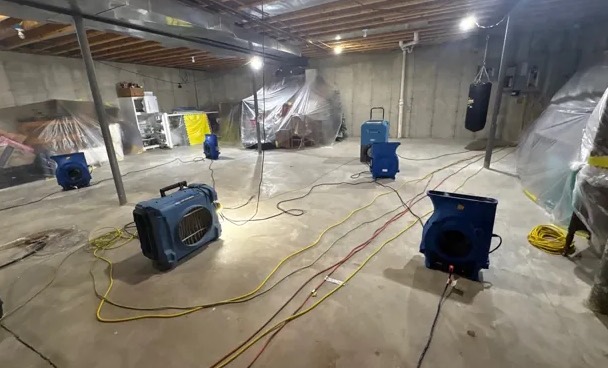
Basement Water Damage Restoration Solutions in Ivanhoe, California
Basement Water Damage Restoration in Ivanhoe covers finished and unfinished basements. A bare concrete basement can often be pumped and dried. A finished one usually needs carpet, pad and lower drywall removed so the walls and slab can dry.
Few homes in Ivanhoe are built with basements, so these steps are usually applied to the lowest rooms of a house, a garage or a crawl space instead.
Homeowners in Ivanhoe can call (559) 272-9793 day or night when water is rising in the basement. Service also covers Visalia, Farmersville and Woodlake, with the same pumping and drying steps.
The Basement Water Damage Restoration Process in Ivanhoe
Basement Floor Water Removal
A slab can look dry on top while still holding water. Moisture readings show when it is ready for new flooring.
Basement Water Extraction
Submersible pumps remove deep standing water, then portable extractors pull water from carpet, pad and the concrete floor.
Basement Drying Services
Air movers and dehumidifiers are placed to dry walls, framing and the slab. Below-grade rooms dry slowly, so readings are taken daily.
Basement Mold Prevention
Fast extraction and drying are the main ways to limit microbial growth in a basement. Surfaces that stayed wet can be treated once dry.
Basement Wall Drying
Finished basement walls hide wet insulation and framing. Removing the bottom of the drywall lets air reach the cavity.
Warning Signs You Need Basement Water Damage Restoration
Warped or Buckling Basement Floors
Laminate, wood or vinyl flooring that buckles or lifts in the basement has water underneath.
Condensation on Windows or Pipes
Water beading on cold pipes or basement windows shows high humidity that keeps materials damp.
Rusted Appliances or Pipes
Rust on the water heater, furnace base or pipes points to repeated moisture or past flooding.
Wet or Stained Basement Walls
Dark, wet patches or tide lines on basement walls show where water seeped in or wicked up.
How Basement Water Damage Restoration Works in Ivanhoe
Step 1: Water Removal
Pumps and extractors remove standing water from the basement floor, starting at the lowest point.
Step 2: Targeted Moisture Evaporation
Air movers are aimed at wet walls, framing and the slab to speed evaporation.
Step 3: Humidity Control
Large dehumidifiers pull moisture from the basement air, with readings checked every day.
Step 4: Final Verification and Restoration
Final readings confirm the basement is dry, and the space is ready for drywall and flooring repairs.
Typical Sources of Basement Water Damage in Ivanhoe
Faulty Basement Waterproofing
Old or failed waterproofing on foundation walls lets water through during wet weather.
Sewer Line Backups
A blocked or overloaded sewer line pushes wastewater up through basement drains and toilets.
HVAC Condensate Line Overflow
A clogged furnace or air conditioner condensate line can overflow onto the floor of a basement or lower-level utility room.
Plumbing Pipe Bursts or Leaks
Supply lines and drain pipes in basement ceilings can crack or burst onto the floor below.
Residential and Commercial Basement Water Damage Restoration in Ivanhoe
Residential Basement Water Damage Restoration
Homeowners with older basements may have seepage that returns with each storm. Drying fixes the current damage, and the source is noted for a waterproofing contractor.
Commercial Basement Water Damage Restoration
Apartment and condo buildings with shared basements or lower levels may have laundry and storage below grade. Each area is extracted, dried and recorded for the building manager.
DIY vs. Professional Basement Water Damage Restoration in Ivanhoe
Fans alone can push damp air into the rest of the house. Basement drying needs dehumidifiers to pull the moisture out of the air and the concrete.
Understanding Basement Water Damage Restoration Pricing in Ivanhoe
In Ivanhoe, basement jobs often run longer than upper-floor jobs because concrete dries slowly. Equipment days make up much of the bill.
Secondary Damage
Damage to furnaces, water heaters and belongings adds repair and replacement costs.
Material Saturation
Finished basements with carpet, drywall and insulation take more removal work than bare concrete.
Emergency Service
Night, weekend and storm calls can cost more than a scheduled visit.
Does Insurance Cover Basement Water Damage Restoration?
Coverage for groundwater seepage and backups varies widely between policies. Ask your adjuster whether your policy includes it before work begins.
Benefits of Local Pros for Basement Water Damage Restoration in Ivanhoe
Detailed Documentation
Photos, readings and drying logs are kept to support your insurance claim.
Industrial-Grade Equipment
Pumps, extractors and large dehumidifiers remove water much faster than household wet vacs and fans.
Mold Prevention Focus
Fast drying is the main way to limit microbial growth in a below-grade space.
Ivanhoe Emergency Basement Water Damage Restoration Response
Storm night, weekend or holiday, local water removal pros handle flooded basements in Ivanhoe. Call (559) 272-9793 to get the pumps running and the water out.
Call Now (559) 272-9793Basement Water Damage Restoration Near Ivanhoe: Areas Served
Help with basement water damage restoration is also available in communities near Ivanhoe, including Visalia, Farmersville and Woodlake, for flooded basements and sewer backups.
- Basement Water Damage Restoration in Visalia
- Basement Water Damage Restoration in Farmersville
- Basement Water Damage Restoration in Woodlake
- Basement Water Damage Restoration in Exeter
- Basement Water Damage Restoration in Cutler
- Basement Water Damage Restoration in Orosi
- Basement Water Damage Restoration in Goshen
- Basement Water Damage Restoration in Sultana
- Emergency Damage Restoration in 93235
- Storm Damage Restoration in 93235
- Water Damage Restoration in 93235
- Water Extraction Service in 93235
- Water Leak Detection in 93235
- Water Removal Service in 93235
Your Basement Water Damage Restoration Questions Addressed
What health risks come with delayed basement flood cleanup?
Standing water and wet materials can support bacteria and microbial growth, and sewage carries contaminants that need disinfection.
Why is quick action important for below-grade flood restoration?
Basements dry slowly, so every hour of standing water adds days of drying and more material to replace.
How long does below-grade drying take after a flood?
Often several days or longer, since concrete and cool basement air dry slowly. Daily readings show progress.
What are signs of hidden moisture after below-grade water extraction?
Musty smells, tide lines on walls, damp carpet edges and moisture readings that stay high in walls or the slab.
Is basement floor water removal different from carpet extraction?
Yes. Bare concrete is squeegeed and dried, while carpet and pad need extraction, and the pad is usually replaced.